Replica Rolex: A Complete Guide Before You Buy:
When it comes to luxury watches, Rolex stands at the top of the list. For decades, it has symbolized prestige, craftsmanship, and timeless style. But with a brand as iconic as Rolex, the demand for alternatives has grown — leading to the rise of the replica Rolex market. Whether you’re curious about what replica watches are, how they compare to originals, or whether they’re worth considering, this guide covers everything you need to know.
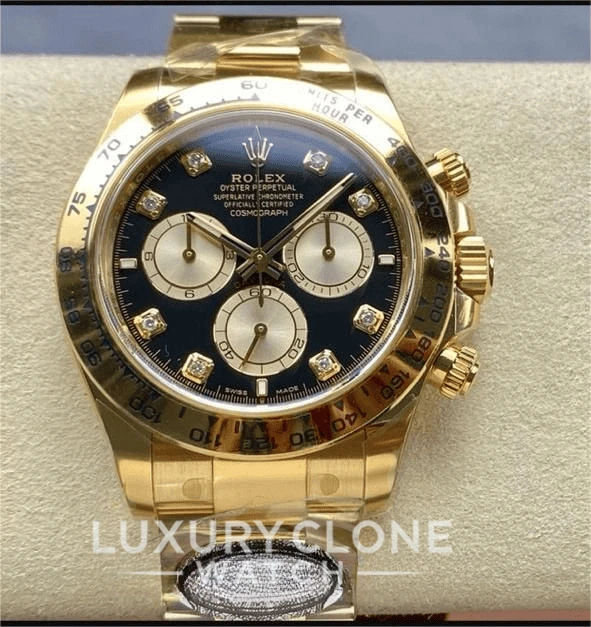
What is a Replica Rolex?
A replica Rolex is a watch designed to look and feel like an authentic Rolex but made by third-party manufacturers. Unlike the official models, replicas are not produced by Rolex itself. Instead, they imitate the design, branding, and often even the weight and mechanics of genuine Rolex watches.
There are generally two categories of replica Rolex watches:
-
Low-Grade Replicas – These are inexpensive copies that might only resemble a Rolex from afar. The materials and craftsmanship are usually poor.
-
High-Quality Replicas (also known as “super clones”) – These versions use advanced manufacturing techniques to closely mimic the original. They often feature stainless steel cases, automatic movements, and sapphire crystal glass, making them harder to distinguish from the real thing.
Why Do People Buy Replica Rolex Watches?
The popularity of replica Rolex watches comes down to several factors:
-
Affordability: Genuine Rolex models can cost anywhere from $7,000 to over $50,000. A replica offers a similar look at a fraction of the price.
-
Style Access: Many people admire Rolex designs but cannot justify the investment. A replica allows them to enjoy the aesthetic without the financial burden.
-
Testing Before Buying: Some buyers purchase a replica Rolex to “test drive” the style before committing to the real thing.
-
Collection Purposes: Enthusiasts may collect replicas alongside genuine watches for display or casual wear.
Pros and Cons of Replica Rolex Watches:
Like any product, a replica Rolex has its advantages and disadvantages.
Pros
-
Cost-Effective: A high-quality replica can cost under $500, making luxury styling accessible.
-
Wide Variety: Many iconic Rolex models (like the Submariner, Daytona, and Datejust) are available in replica form.
-
Everyday Wear: Some prefer wearing a replica daily while keeping their genuine Rolex safe from scratches or theft.
Cons
-
No Authentic Value: A replica Rolex will never hold its value or appreciate like a genuine model.
-
Variable Quality: Not all replicas are made with the same craftsmanship; some may break easily.
-
Ethical Concerns: Since replicas are not authorized by Rolex, buying and selling them may raise legal and ethical questions depending on your location.
How to Identify a Replica Rolex:
If you’re shopping for a replica Rolex, it’s essential to know how they differ from genuine models. Here are a few key things to look for:
-
Weight: Authentic Rolex watches are heavier due to premium materials.
-
Movement: Rolex uses smooth, sweeping second hands, while many replicas still tick.
-
Serial Numbers: A real Rolex has deep, finely engraved serial numbers; replicas often have shallow or poorly etched markings.
-
Price: If a deal seems too good to be true, it probably is.
Should You Buy a Replica Rolex?
The decision depends on your priorities. If you’re after prestige, investment value, or authentic craftsmanship, only a genuine Rolex will satisfy. But if your main focus is style and affordability, a replica Rolex can offer the look without the luxury price tag.
For those who appreciate design but can’t commit to the cost of the original, replicas can be a temporary solution. However, always buy from reputable sellers to ensure better quality and transparency.
Final Thoughts
The world of replica Rolex watches is vast and constantly evolving. Advances in manufacturing mean today’s replicas can look remarkably close to the real thing, but they still lack the authenticity and value of genuine Rolex timepieces.

Comments
Post a Comment